Essential supply-chain infrastructure
Light manufacturing, logistics warehouses and assembly facilities serve the businesses moving and storing goods across the country.

Explore industrial warehouses and manufacturing facilities in the $4–12M target range, with individual allocations starting at $25,000. The approach centers on property fundamentals, triple-net lease structures and portfolio diversification.
Explore the opportunityFor accredited investors considering industrial real estate.
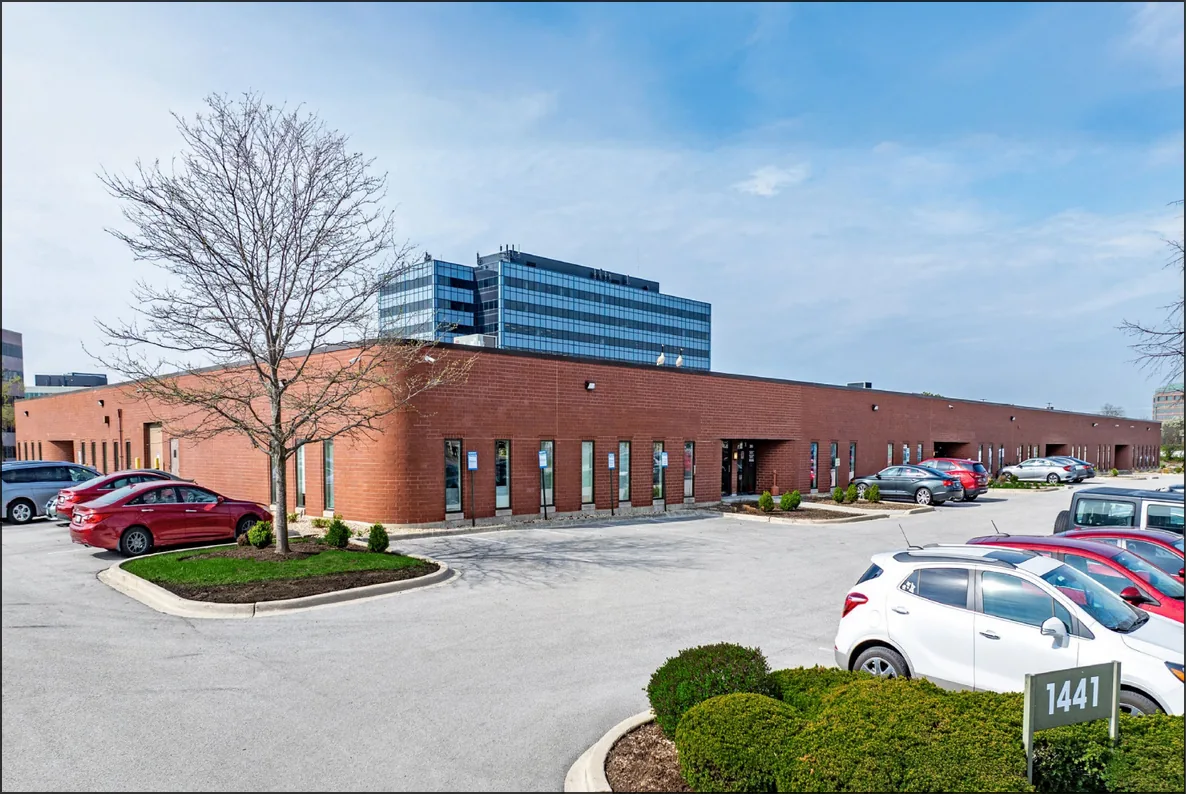
Industrial propertiesWarehouses, manufacturing and logistics
Accredited investorsIndividual allocations starting at $25,000
Property-level reviewLocation, tenants, leases and underwriting
Executive video briefing
A walk-through of what New Blueprint Partners looks for when evaluating industrial real estate properties.
New Blueprint Partners · Industrial real estate briefing
The investment thesis
Manufacturing, logistics and distribution properties support the movement and storage of physical goods. The investment approach brings the property, its leases and its place in a portfolio into the same review.
Light manufacturing, logistics warehouses and assembly facilities serve the businesses moving and storing goods across the country.
Review how the lease allocates property taxes, building insurance and maintenance between owner and tenant, alongside the tenant’s commitments.
Examine any scheduled rent increases in the actual lease and how those terms affect the property’s operating assumptions over time.
The strategy targets industrial properties in this acquisition range. Individual investor allocations begin at $25,000.
Consider industrial real estate alongside your allocation plans, experience and investment priorities.
Professionals with demanding schedules evaluating an allocation to real estate.
Operators familiar with physical supply chains considering industrial property investments.
Leaders exploring industrial real estate as part of a diversified portfolio.
Investors reviewing a new syndication, allocation or potential exchange strategy.
Allocation & underwriting
Start with the amount you are considering, then review the assumptions behind the individual opportunity.
Your application captures the allocation you are considering and the aspects of industrial real estate that interest you.
Acquisition through exit
Evaluate how the property strategy, operating period and potential disposition fit together before committing capital.
Review the industrial property, location, tenant profile and underwriting within the $4–12M target range.
Understand lease commitments, operating responsibilities and the proposed distribution policy.
Review the assumptions behind any future sale or other exit, including timing and market risk.
Discuss the proposed ownership and exit structure with your independent tax and legal advisers before relying on a potential exchange.
Section 1031 exchanges have specific rules and deadlines. The applicability of an exchange depends on the transaction and your individual circumstances.
Industrial property focus
Explore industrial properties across transportation corridors, with attention to the building, tenant profile, leases and financial underwriting.

Milwaukee West Industrial Corridor
Property review considers loading configuration, distribution access and the lease profile.
St. Louis Central County Corridor
Review the location, tenant arrangements and rent roll alongside the acquisition assumptions.

I-88 Chicago West Submarket
Consider transportation connections, building configuration and the property’s role in the strategy.
Individual allocations starting at $25,000.
Provide a few details about yourself, the allocation you are considering and your investment interests.
Start with the structure, allocation and property details that matter to your decision.
Individual allocations start at $25,000 for accredited investors. The application asks how much you are considering so the team can review your interests.
Review the individual deal’s distribution policy, payment arrangements and investor reporting in its offering materials. Distribution assumptions are specific to the opportunity.
It is the target property acquisition range, rather than the amount each investor is asked to allocate. Individual allocations begin at $25,000.
Exchange planning must be evaluated against the proposed transaction structure, applicable rules and your individual circumstances. Review the details with your independent tax and legal advisers.
The strategy is directed toward accredited investors. The application asks you to self-report your status; that response does not replace any verification required for a specific investment.
Examine how the actual lease allocates taxes, insurance and maintenance, as well as its duration, tenant obligations and any scheduled rent changes.